

Real Estate Information Archive

Blog

Displaying blog entries 11-20 of 176

Important Things to Look for When Purchasing a Home

by The Hat Team


House hunting can be overwhelming sometimes, especially when beginning the search for your first home. Chances are you might get caught up in the process and important details might slip by you. While the number of rooms, condition of the kitchen, and size of the yard are important, there are other things to consider before you make an offer. This list of things to look for can help get your search off to the right start.

LOCATION

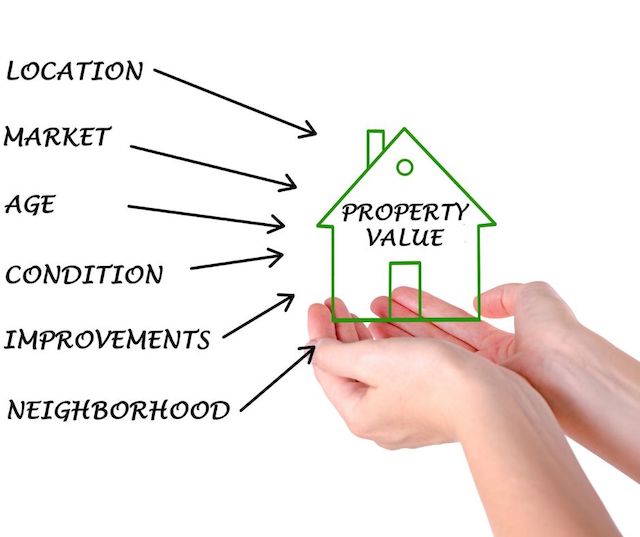
They say that the 3 most important things to look for when buying a home are location, location, location. While a home might not be perfect, loving your neighborhood and neighbors can make all the difference in living with imperfection. And face it…you can change almost anything about your house, but you can’t change its location or the people living nearby. When you go house hunting, make sure to consider the home’s proximity to your work, the appeal of the neighborhood, where in the neighborhood the home is situated, ease of access, noise from neighbors, traffic, pets and access to parks, shopping, schools and public transportation.

HOME PLACEMENT

Beyond location, look at how the home is situated.  If the home is on a hill, does it have a view, a walkout basement, or lots of stairs to climb? Do neighbors' windows look directly into the home? Is the yard suitable for kids, pets, gardening, or other uses? Is there safe access to the home? These are all important questions to ask yourself when determining if it is the right property for you.

CHECK OUT THE NEIGHBORHOOD

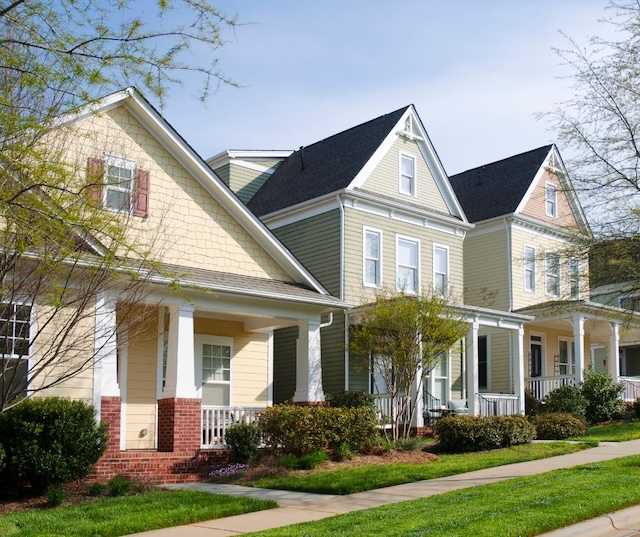
While it’s important for your house to meet your expectations, it’s equally important that the neighborhood meets them too. Take a drive around the development you are interested in on weekdays and weekends, during the day and in the evening.  Are the homes in good repair? Are yards kept clean and tidy?  Is the neighborhood safe enough for people to walk, run or bike?  Are there children playing outdoors?


CONSIDER A HOME’S CURB APPEAL

You want a home that is going to reflect your lifestyle. Do you live a casual, laid-back life? Then you probably won’t want a formal Victorian or Tudor style home.  A simple, contemporary home might better suit you.  Pay close attention to exterior features.  Think about maintenance.  For example, a brick home is easier to maintain than one with siding.  Do you like working in the yard?  If not, you might not want a house with extensive landscaping.  Is the roof in good condition?  Attention to detail will help you choose the home with the best curb appeal for you.

SIZE AND FLOOR PLAN

You may be thinking about buying your dream home. But is your dream home practical?  Do you need 4 bedrooms and 4 baths when you live alone? A spacious home may provide the extra room you've always wanted for a home office or a theater room, but you'll pay higher heating bills and have higher taxes. Additionally, it will take more furniture to furnish and money to decorate. Think about how the new home space will be used and whether it will fit your lifestyle now and in the future.

BEDROOMS AND BATHROOMS

Decide how many bedrooms and bathrooms you will need and only look at homes that meet those criteria.  You don’t want to fall in love with what is otherwise a perfect house if it doesn’t provide the space needed for your family.  It’s smart to consider counting an extra bedroom in that number so that you have extra space for a home office or guest room. If you think you might add on to the home later, make sure you consult an architect who can advise you on space planning and regulations.

THE KITCHEN

For many people, the kitchen is the heart of the home. Don’t settle for a home with a kitchen that doesn’t work for you.  Yes, you can remodel it later, but at great expense.  If it’s an easy fix like replacing cabinets or countertops, get a price quote before committing to the house so that you will know if it is within your budget to take that on.

CLOSETS AND STORAGE

Older homes often have small closets and lack storage space.  As you’re looking at a home ask yourself where you will store your belongings.  Tiny closets don’t have to be a deal breaker.  There are ways to maximize storage without renovations. Newer homes tend to have lots of storage, and you may sacrifice living space while having more closet space than you need.


WINDOWS AND LIGHTING

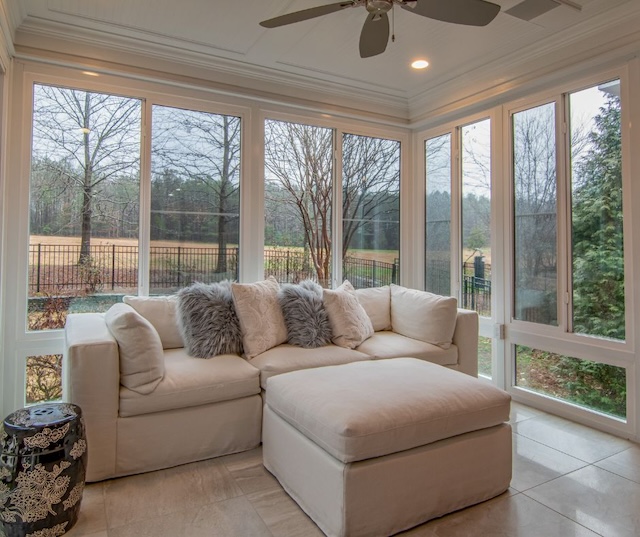
While looking at a home keep in mind your preferences regarding light and privacy. Do you want a lot of windows to provide bright, sunny rooms?  Pay attention to the locations of electrical outlets and fixtures to make sure they meet your lighting needs.       

FINISHING TOUCHES

Even a simple home can look spectacular with the right moldings, hardware, and a fireplace.  If elements like these are important to you, look for them while house hunting. 

You may not find everything you want in one house but keep this list handy and you are more likely to find the home that best suits your needs and desires.  Happy House Hunting!

If you are in the market to buy or sell a home (or both), let Sandra Nickel and her Hat Team of Professionals assist you with all your real estate needs! Call them today at 334-834-1500 and check out https://homesforsaleinmontgomeryalabama.com for more information.

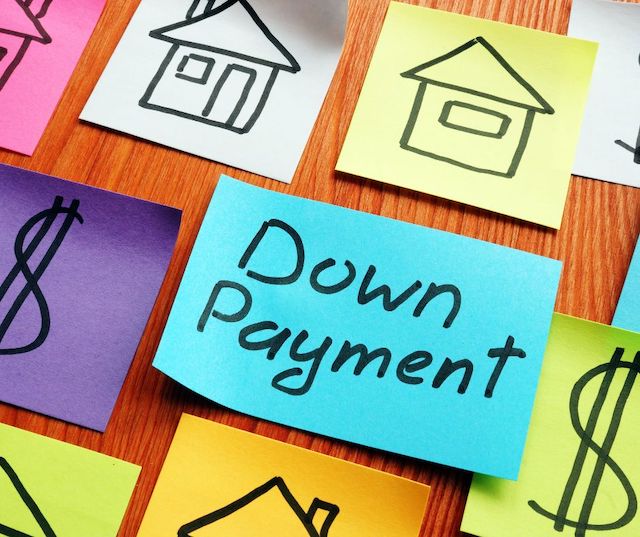
The Benefits of Making a 20% Down Payment

by The Hat Team


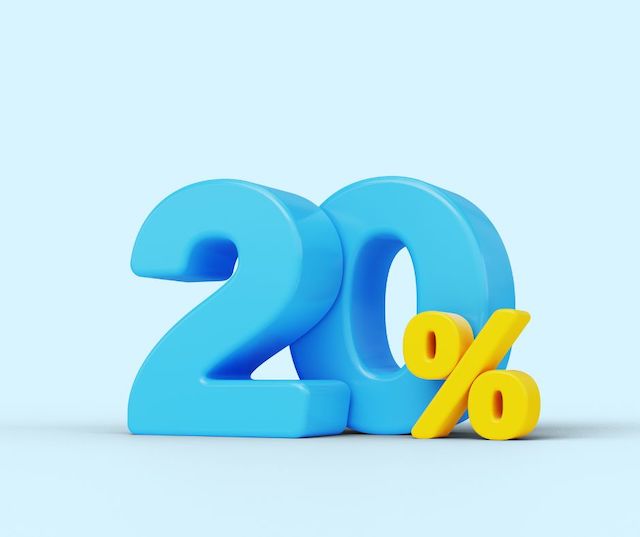
Perhaps you have been thinking about purchasing a home, but you are not sure how much you need for a down payment. Many people will tell you that you need to have 20% to secure a mortgage. Thanks to various programs available to buyers, the truth is that’s not always the case. In fact, if you are a military veteran you could qualify for a Veterans Affairs Home Loan and not need a down payment at all! While these programs may mean that you do not have to save as much and you can get into a home sooner, there are some major benefits to making a 20% down payment if you can:

  1. YOU MAY QUALIFY FOR A LOWER INTEREST RATE

Putting 20% down vs a 3-5% down payment gives your lender/bank the confidence that you are financially stable and a good credit risk. With this confidence, they will be willing to give you a lower interest rate on your mortgage loan.

  1. YOU WILL PAY LESS OVER THE LONG RUN

With a bigger down payment, you will have a lower loan amount for your mortgage. That means you will be paying less interest. For example, if you make a 20% down payment, you will only pay interest on the remaining 80% of the loan. If you put only 5% down, the extra 15% on your loan will accrue interest and you will pay more over the long run.

  1. YOU WILL BE MORE APPEALING TO SELLERS

Chances are, you will be competing with other buyers for the same home. Like the mortgage lender/bank, sellers feel more confident in buyers who are making 20% or larger down payment. They will see you as a buyer who’s financing is more likely to be approved, thus ensuring the sale will go through.

  1. YOU WILL SAVE MONEY BY NOT HAVING TO PURCHASE PRIVATE MORTGAGE INSURANCE

Private Mortgage Insurance (PMI) is an insurance policy that protects the lender if you are unable to pay your mortgage. It comes to you in the form of a monthly fee included in your mortgage payment. It is required for all conforming, conventional loans that have down payments of less than 20%. If you make a down payment of 20% or more, this insurance is not required.

  1. YOU WILL HAVE LOWER MONTHLY PAYMENTS

When you make a 20% down payment it will result in smaller mortgage payments. You are starting off with a smaller overall mortgage and saving the expense of PMI, therefore your monthly payments won’t be as high.

  1. YOU WILL IMMEDIATELY HAVE EQUITY

Putting 20% down means you will already have equity when you move into your new home, which means it will take less time to build up your investment in your home. That will come in handy should you need to get an equity loan or line of credit for home repairs and/or improvements.

While putting 20% down on a home is not a requirement, and you can certainly purchase a house with less down, saving for a 20% down payment may be worth it thanks to the benefits listed above!

If you are in the market to buy or sell a home (or both), let Sandra Nickel and her Hat Team of Professionals assist you with all your real estate needs! Call them today at 334-834-1500 and check out https://homesforsaleinmontgomeryalabama.com for more information!

Multi-generational Living

by The Hat Team

Thanks to rising housing and healthcare costs, many families have begun sharing multigenerational homes over the past few years. A multigenerational home is one where grandparents, parents, and children all live under the same roof.  According to Pew Research, 59.7 million Americans were living this way as of 2021. More people sharing a space may not seem ideal, but it does have its perks; from saving money to being present to care for family members when needed.


Multigenerational living means enough space in homes is needed to provide comfort and privacy for all family members. 

If you are in search of a home for this purpose, here are some things to look for:

  1. ACCESSIBILITY

Even if the elders in the family are getting around easily now, it is important to think ahead to when it might not be so easy for them. Open floor plans are ideal for creating spaces that are easily accessible should someone be in a wheelchair at some point. In addition, look for a home that has at least one main floor bedroom and full bath so that going up and down stairs won’t be a problem in the future.

  1. MAIN FLOOR BEDROOMS

As stated above, it is ideal to have at least one main floor bedroom. But if you can find a home with more than one main floor bedroom, all the better. Having some bedrooms upstairs and some downstairs provides separation and privacy between generations.

  1. ROOMS THAT SERVE DUAL PURPOSES

Keep in mind that it is easy to convert a bedroom into another type of space, but not always possible to convert another space into a bedroom. Bedrooms need windows and a closet. So, when looking for a house, look for one with as many bedrooms as possible so that they can be used for different purposes like a den, playroom or office.

  1. PRIVATE LIVING SPACE FOR EVERYONE

Look for a home large enough and with enough rooms to provide a private living space for each generation. For example, an office could become a den for grandparents, family room for the middle generation and maybe a playroom upstairs for the youngsters.

  1. PRIVATE ENTRANCES

Look for homes that are already set up for multigenerational families. They may have an in-law suite, an apartment over the garage and private entrances for different parts of the home. If you cannot find one already built, consider a renovation of an existing home to add these features.

Whether you find the perfect property, renovate a home, or build one from scratch, remember to consider the needs, privacy and accessibility of all your family members and you will have a home filled with love!

If you are in the market to buy or sell a home (or both), let Sandra Nickel and her Hat Team of Professionals assist you with all your real estate needs! Call them today at 334-834-1500 and check our https://www.homesforsaleinmontgomeryalabama.com for more information!

Choosing the Right Community for Your Next Home

by The Hat Team


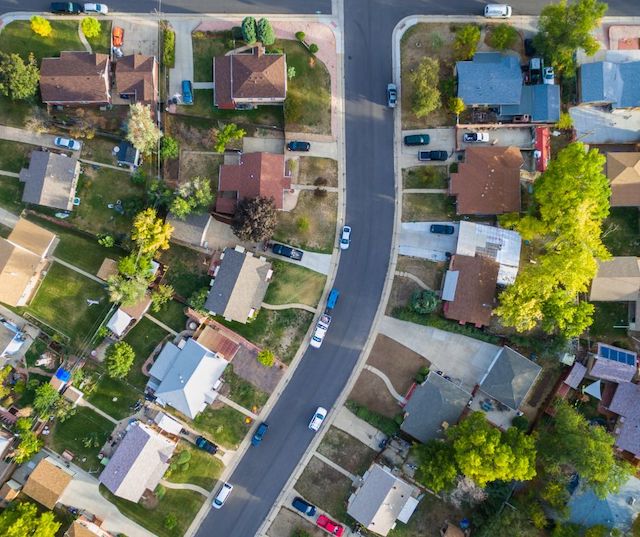
When you are searching for a new home, location is one of the most important factors to consider. You might love a house, but if it’s not in the right community, it may not be the right house regardless of how much it appeals to you.  So, before you start scrolling through home listings online, it is smart to have an idea of WHERE you want to live. 

Here are some things to consider when searching for the right neighborhood:

  • You may have heard this saying before: “It’s better to have the worst house in the best neighborhood than the best house in the worst neighborhood”. While nobody really wants to live in the “worst” house anywhere, there is some good logic behind this statement.  If you ever plan to sell your home, its value will be impacted by the surrounding homes in the neighborhood.  For that reason, you will have better resale value if you are surrounded by homes that are similar to yours.  So, it is a good idea to research home values in the neighborhoods that appeal to you.
     
  • How important is convenience to you?  Some people prefer living in more rural areas, but others desire close proximity to things like major interstates, shopping areas, medical facilities, and schools.  Before you start your home search it is important to decide how much convenience matters to you. In addition, you may want to think about the fact that having a home that is convenient to highways and such can have a positive impact on your resale value.
     
  • Are home values rising or falling in the neighborhood? If a neighborhood has home values that are climbing, that is a positive indication that it is a good place to buy.  However, if a neighborhood has stagnant or falling home values, it might not be the best place to look for a home.  Many things can have an impact on home values; for example, if an area is growing with new businesses, the career opportunities involved can lead to rising home values in the area.
     
  • Does the neighborhood have an HOA? (Home Owners Association)?  Some people love an HOA. They appreciate how it protects home values by establishing rules for maintaining the appearance of the homes and neighborhood. They also enjoy perks such as a neighborhood pool and clubhouse, parks, and walking trails.  However, for other people, an HOA is a deal breaker. They do not care for the rules and regulations (and payments) that come with it.  HOA regulations and costs vary from neighborhood to neighborhood, so it is important to research them before you decide to live in a community with an HOA.
  • How safe is the neighborhood?  Safety is important to everyone. Nobody wants to live in a neighborhood that is not safe.  You can research crime statistics for neighborhoods online.  If you are relocating to a new state and you are not familiar with the area, an experienced local Realtor is a great resource to help you determine what areas are safe for you and your family.

There are so many factors involved in the home buying process, but determining the right location is a decision that requires thought and research.  Once you have found the right place, then you can start searching for the right house!

If you are in the market to buy or sell a home (or both), let Sandra Nickel and her Hat Team of Professionals assist you with all your real estate needs! Call them today at 334-834-1500 and check our https://www.homesforsaleinmontgomeryalabama.com for more information!

How to Buy a Home When You Have Bad Credit

by The Hat Team

Perhaps you are ready to buy a home, but you think you can’t because of a low score on your credit report. Bad credit can present challenges when purchasing a home, but it doesn’t have to keep you from moving forward with your dream of becoming a homeowner.  If you want to become a homeowner, don’t let bad credit hold you back!

Here are some tips for how to buy a home even when you have bad credit:

  • GET YOUR CREDIT SCORE

Take a deep breath and do that search. There are several places you can get your credit score for free. Just keep in mind that you will have three credit scores - one each from Equifax, Experian, and TransUnion. These are the three major credit reporting agencies, so it’s a good idea to get scores form all of them.

  • MAKE SURE YOUR CREDIT SCORE IS UP TO DATE AND ACCURATE

Your credit report is like a history of how you have handled borrowed money. There may be errors in it and if so, that could damage your credit score. You can get a free credit report from each of the three major credit reporting companies annually. When you get the reports, look over them carefully to make sure all the information is correct. If you find any errors, you can dispute them with the reporting companies.

  • PREPARE YOURSELF FOR A HIGHTER INTEREST RATE

Qualifying for a mortgage with a lower credit score is possible if you are willing to pay a higher interest rate. Lenders charge more to protect themselves should the buyer make late payments or fail to make payments altogether. Unfortunately, bad credit means that you likely have a history of doing just that. While a higher interest rate does mean a higher mortgage payment, it may be worth it to become a homeowner investing in your own home rather than paying rent to a landlord.

  • APPLY FOR AN FHA LOAN

Loans insured by the Federal Housing Administration (FHA loans) have lower credit requirements. With a credit score of at least 580, you can qualify for an FHA-insured mortgage with a down payment of just 3.5 percent of your home’s final purchase price. However, there are some catches. First, FHA loans are insured by the Federal Housing Administration, but they are originated by traditional mortgage lenders. Even though they can originate FHA-insured loans for borrowers with scores as low as 500, it doesn’t mean they are obligated to do so. They can choose to require higher credit scores. Secondly, FHA loans come with a financial penalty. With traditional mortgage loans, you can cancel your private mortgage insurance (PMI) after building up enough equity. With an FHA loan, you must maintain private mortgage insurance for the life of your loan.

  • MAKE A LARGER DOWN PAYMENT

If you can come up with a larger down payment, lenders may be willing to take a chance on you. While it’s possible today to get a mortgage with as little as 3 percent down, people with bad credit may find that making a larger down payment is what will get them the mortgage loan they seek. When you put down more money up front it shows the lender that you are willing to take on the risk of a home loan. The lender also will feel you are less likely to walk away from a large financial investment. If you can come up with a down payment of 20 percent or more, you will increase your chance of getting approval on a mortgage loan.

  • REBUILD YOUR CREDIT

If your credit is so bad that a mortgage is not feasible right now, don’t despair. It just means that it is time for you to start rebuilding your credit so that you can become a homeowner in the future. To do this, you simply need to start paying all your bills on time every month so that you can build a better credit history. Also, pay down as much credit card debt as possible to raise your score.

If you are in the market to buy or sell a home (or both), let Sandra Nickel and her Hat Team of Professionals assist you with all your real estate needs! Call them today at 334-834-1500 and check out https://www.homesforsaleinmontgomeryalabama.com for more information!

Questions You Should Ask Before Applying for a Mortgage Loan

by The Hat Team

There are many steps to take when purchasing a home, but one of the first and most important is finding the right mortgage loan. Knowing the right questions to ask a mortgage banker is key to your success in acquiring a loan that works for you. It’s vital that you are educated about everything related to your home purchase.


Here are the questions you should ask your mortgage banker to be sure that you are prepared for the lending process:

  • What is my credit score?

When you apply for a mortgage loan, your lender will look at your credit history including your credit score, your debt-to-income ratio (DTI), and your liquid cash and assets. Having a high credit score will help you in the securing a loan. It is calculated by taking your payment history, outstanding balances, length of credit history, number of credit inquiries, and types of credit history all into account. Your lender will use your credit score to help determine the risk of granting you a loan.

  • What is the best type of loan for me?

Once your mortgage banker has all the personal financial information you provide, he or she will let you know the loan programs you qualify for. Every loan program has a minimum qualifying credit score and DTI ratio. A good mortgage banker will patiently walk you through each type of loan so you can determine which one you are most comfortable with.

  • How much should my down payment be?

Many people believe that you must put 20% down when purchasing a home. That is not always true! You have options. A conventional loan generally requires at least 3% down. But if you want to avoid Private Mortgage Insurance (PMI), 20% is required. There are also some government-backed loans that range from 0-3.5% down. Your lender will go over these options with you thoroughly.

  • What are closing costs?

When you close on your home, your closing costs may include property taxes, homeowner’s insurance, title search fees, and appraisal fees. There might be other costs as well. Basically, all fees for services completed involved in the loan process need to pay and are taken care of with closing costs. These items will be itemized, and your mortgage banker can answer any questions you have about them.

  • When will I close on my home?

The time it takes to close on a house after getting your mortgage loan application approved usually runs anywhere from 30-50 days. As long as there are no last-minute problems, the closing itself (signing the papers) may take about an hour.


Buying a home can be an overwhelming experience, especially for first-time homebuyers, but finding the right mortgage lender and asking the right questions will make the process less stressful for you!

If you are in the market to buy or sell a home (or both), let Sandra Nickel and her Hat Team of Professionals assist you with all your real estate needs! Call them today at 334-834-1500 and check out https://www.homesforsaleinmontgomeryalabama.com for more information!

Purchasing a Home Quickly: Tips for Success

by The Hat Team


Are you moving this summer? With rents sky high and continuing to rise with no end in sight, you are likely going to want to purchase a home as quickly as possible. While buying a house is something you should not take lightly, there are ways to speed up the process while still making sound and smart decisions. Does that sound too good to be true?  Well, no promises, but there are steps you can take to buy a home fast.

Whether you are buying a house for the first time, or you have navigated the home buying process before, chances are you know that it can be lengthy and complicated.  But there are certain strategies you can use that will speed things up.

Here are some tips to help you get started:

  • CHOOSE THE RIGHT TYPE OF HOUSE

There are certain types of homes you will want to avoid if you’re in a hurry. You should also avoid bank-owned homes or foreclosures, which generally take much longer to close. The fastest way to go is to focus on condos or new developments. Closings for condos and new developments can take as few as three to four weeks to happen.

  • GET PRE-APPROVED FOR A MORTGAGE

This is a strategic move that will give you a head start so that when you do find a house you want to purchase; you will already be approved for a mortgage loan and can make an offer right away. This will also help you to stay within your budget when looking at homes because you won’t want to waste time looking at properties that cost more than what you are pre-approved for.

  • HAVE YOUR DOCUMENTS IN ORDER AND READY TO GO

Get all the paperwork that you will need organized so that it is ready and waiting when you find the right home. Generally, a home buyer will need the following: federal tax returns for the past two years, supporting information such as W-2, 1099, or other tax forms for the past two years, two months’ worth of bank statements for your checking, savings, 401K, retirement and other accounts, and pay stubs from the past month.

  • FIND THE RIGHT REALTOR TO GUIDE YOU THROUGH THE PROCESS 

You will want an experienced, professional Realtor like Sandra Nickel who knows the area well and can use their expertise to get you into a home quickly.

  • OFFER TO SHORTEN CONTINGENCY GUIDELINES

Don’t risk waiving home inspection or financing contingencies but consider a shorter time frame to effect a faster closing.

  • BE PREPARED FOR YOUR MOVE

Don’t wait until you have closed on your new home to start packing and preparing for your move. Start early so that as soon as you close, you are ready to go!

If you are in the market to buy or sell a home (or both), let me, Sandra Nickel, and my Hat Team of Professionals assist you with all your real estate needs! Call us today at 334-834-1500 and check out https://www.homesforsaleinmontgomeryalabama.com for more information!

Resale Value: What to Look for When Buying a Home

by The Hat Team

Owning a home is likely the largest financial investment many will make, so whether you are buying or selling a home, it is important to think about resale value. With a little research, you will find that there are some things that will get you a great return on investment and there are others that will not.

When selling your home, you may want to make some improvements that will make it more appealing to buyers, ensuring a more profitable sale. But it is when you are searching for a home to buy that you can consider options that will give you desirable resale value in the future.

Here are 5 surprising things that will raise your home’s value:

  1. LOTS OF TREES

While a brand-new house in a recently established community has its perks, what it often lacks is a proximity to mature trees. Large, well-rooted trees found in older neighborhoods, not only make for a lovely landscape, but they also provide shade. They add beauty and they save energy, while also increasing your home value.

  1. GOOD SCHOOL SYSTEM

It may not seem so unexpected that a home in a good school district would have increased value. But sometimes people who do not have children do not think about this. Even you if you never intend to have children, you should keep in mind that many buyers will be highly motivated to purchase a home based on the quality of the area’s school system. For the purpose of resale value, it would be smart to invest in a home in an area with desirable schools.

  1. SHOPPING NEARBY

People like convenience, so if a house is in close proximity to a shopping area with a supermarket, it will likely increase its value. This is especially true if it is close to higher-end stores like Trader Joe’s or Whole Foods. Per Zillow, homes near these grocery stores may appreciate up to 40% more quickly than other homes.

  1. OUTDOOR RECREATION AREAS

Living close to a park, walking trails, or other recreation areas can increase your home’s value. Things like dog parks, tennis courts, golf courses, and playgrounds are appealing to people who enjoy staying active. They will be willing to spend a little more to live close to areas where they can enjoy outdoor activities.

  1. SEPARATE LIVING SPACE

Whether you have a mother-in-law suite, an apartment, or a carriage house, having a separate living space will add to the value of your home. Unlike the other items listed here, this is something you can add to a home after moving in. But while looking for a home, you may want to keep an eye out for one that already has one. Not only will it boost resale value, but it will give you the opportunity to earn rental income (depending upon the laws in your area) while living in the house.

When buying a home, it is important to find a place that feels right for you, but unless you plan to stay there forever, it will benefit you to think about resale value as well!

If you are in the market to buy or sell a home (or both), let me, Sandra Nickel, and my Hat Team of Professionals assist you with all your real estate needs! Call us today at 334-834-1500 and check out https://www.homesforsaleinmontgomeryalabama.com for more information!

A Guide to Mortgage Loan Terminology

by The Hat Team


When you are considering the purchase of a new home, one of the first things to think about is if you will be able to get a mortgage loan. At the start of the home buying process, you will hear terms like “pre-qualification”, “pre-approval”, and “conditional approval”. If you are not familiar with these terms and their meanings, it can add to the already stressful process of entering the housing market as a buyer.

While all these terms may sound similar, they are not the same. Pre-qualification, pre-approval, and the conditional approval letter share common characteristics, but they occur at different times during your journey to home ownership. Having a clear understanding of what they mean will save some of the confusion, time and energy that goes into finding the right home for your budget and your family.


Let’s take a look at each of these terms:

PRE-QUALIFICATION

Getting pre-qualified for a mortgage loan is the earliest step of the three terms we are looking at. A pre-qualification will give you an estimate of how much you may possibly be able to borrow from a lender. Basically, you will provide information such as your financial history and credit report to your lender. You can do this verbally at this stage as it is not an overly comprehensive process. Your lender will use the information provided and will give you an estimate of the amount you may qualify for. This will allow you to explore the mortgage options available to you.

After your lender has determined the amount you pre-qualify for, you will receive a pre-qualification letter. By sharing this letter with your Realtor, they can use it when making an offer to a seller to give evidence of your commitment to and preparation for buying a home.

Remember, a pre-qualification is not a guarantee for a loan. While it is a great way to determine what types of loans are available to you, it does not mean a loan for the amount of the home you hope to purchase is a sure thing.

PRE-APPROVAL

Getting a pre-approval is a more formal process that requires an in-depth investigation of your finances. This process will take place after you have submitted your mortgage application and documentation will be required.

Your lender will need the following:

  • Employment verification (W-2s or 1099s)
  • Bank statements
  • Retirement and brokerage account statements
  • Any other assets
  • Current real estate debt or rental statements
  • Monthly debt payments (student loans, auto loans)
  • Court orders (divorce, child support, alimony, etc.)
  • Tax returns

It may feel overwhelming to provide so much personal, financial information, but it is necessary to obtain a pre-approval for a mortgage loan. Like pre-qualification, you will get a pre-approval letter if your application is accepted by your lender. This letter provides the sellers with the information they need to know that you can afford the mortgage payment and you are ready to purchase a home.

When competing for a home with other buyers, a pre-approval letter can be a game changer, making you look like a serious buyer over others who may not have a pre-approval letter yet.


CONDITIONAL APPROVAL

Conditional approval is also known as “up-front underwriting”. If you choose this option, your lender will review your finances thoroughly in order to provide you with an exact loan approval amount for the specific home on which you are submitting an offer.

What makes a conditional approval letter different from a pre-approval is in the name itself; there will be a few conditions that must be met before closing. For example, purchase agreements, title verifications, home appraisal, and inspections must all be complete and in order. The closing process cannot begin until all the conditions listed in the letter have been met.

Pre-qualification, pre-approval, and the conditional approval letter all provide validation to both your lender and the seller that you are a serious buyer that can afford the home.

They each serve the same purpose, but you will encounter them in different circumstances within the home buying process. Understanding the nuances and differences now will make you a better-informed buyer and will make the home buying process less stressful for you!

If you are in the market to buy or sell a home (or both), let me Sandra Nickel, and my Hat Team of Professionals assist you with all your real estate needs! Call us today at 334-834-1500 and check out https://www.homesforsaleinmontgomeryalabama.com for more information.

A Military Family’s Guide to Homebuying

by The Hat Team


Deciding whether to buy a home is a big deal, especially for military families who may only live someplace for a short period of time. If you are in the military and are thinking about buying a home, here are some important things to take into consideration:

RESEARCH

It’s important to start researching the area where you will be moving long before your moving date. Check out real estate listings online. Have a list of wants and needs prepared to help narrow down the types of homes you’re interested in viewing. Pay particular attention to houses in the neighborhoods you’re interested in to see how long they are staying on the market and if there are changes in their asking prices.


COMMUNITY

Moving a lot can make it challenging for military families to find a sense of community. Buying a home in an area that offers a lot of amenities makes it easier for residents to meet people and form connections. Look for neighborhoods that offer things like pools, fitness centers, dog parks, playgrounds, and community gardens. Families with children moving in the summer before school starts can utilize these amenities to meet people and establish relationships that will help you integrate more easily into the school year.


MILITARY INCENTIVES

You will find that many developers and builders will offer special incentives for military buyers. Some communities even offer free landscaping services for members of the military who are deployed. Military buyers also can qualify for interior design extras and help with closing costs. It is prudent to always ask about any available extras for active military and veterans. In addition, military buyers can benefit from special financing options. Using a VA Home Loan is a great advantage for military buyers. And if the military buyer has greater than 30% disability, there are tax benefits which will lower his or her tax rate. With low interest rates and your housing allowance, you will be able to pay your mortgage and build equity even if you only live there a short time.

Military buyers want the same things in a new home that all buyers want…a good floorplan, great schools, lots of storage, nice appliances, and a safe neighborhood. But you do bring a unique perspective to the home-shopping experience. Connecting with a military-friendly professional Realtor like Sandra Nickel is vital to navigating the homebuying process. Sandra is a Certified Residential Specialist who will provide information about schools, safety, traffic, and neighborhood activities to help military families make the best choice for their new home!

If you are in the market to buy or sell a home, let Sandra Nickel and her Hat Team of Professionals assist you with all your real estate needs! Call them today at 334-834-1500 and check out https://www.homesforsaleinmontgomeryalabama.com/ for more info! 

Displaying blog entries 11-20 of 176

Syndication

Categories

Archives

   cdpe    crsHat Lady on Zillow