Friday, September 25, 2015
by The Hat Team
If you’re thinking about remodeling your kitchen, your decisions may be influenced by how long you intend to stay in your home. Keeping up with trends can be very interesting and fun. They also are, well, trendy. If you’re going to stay in your home less than five years, here are some hot trends to consider implementing.
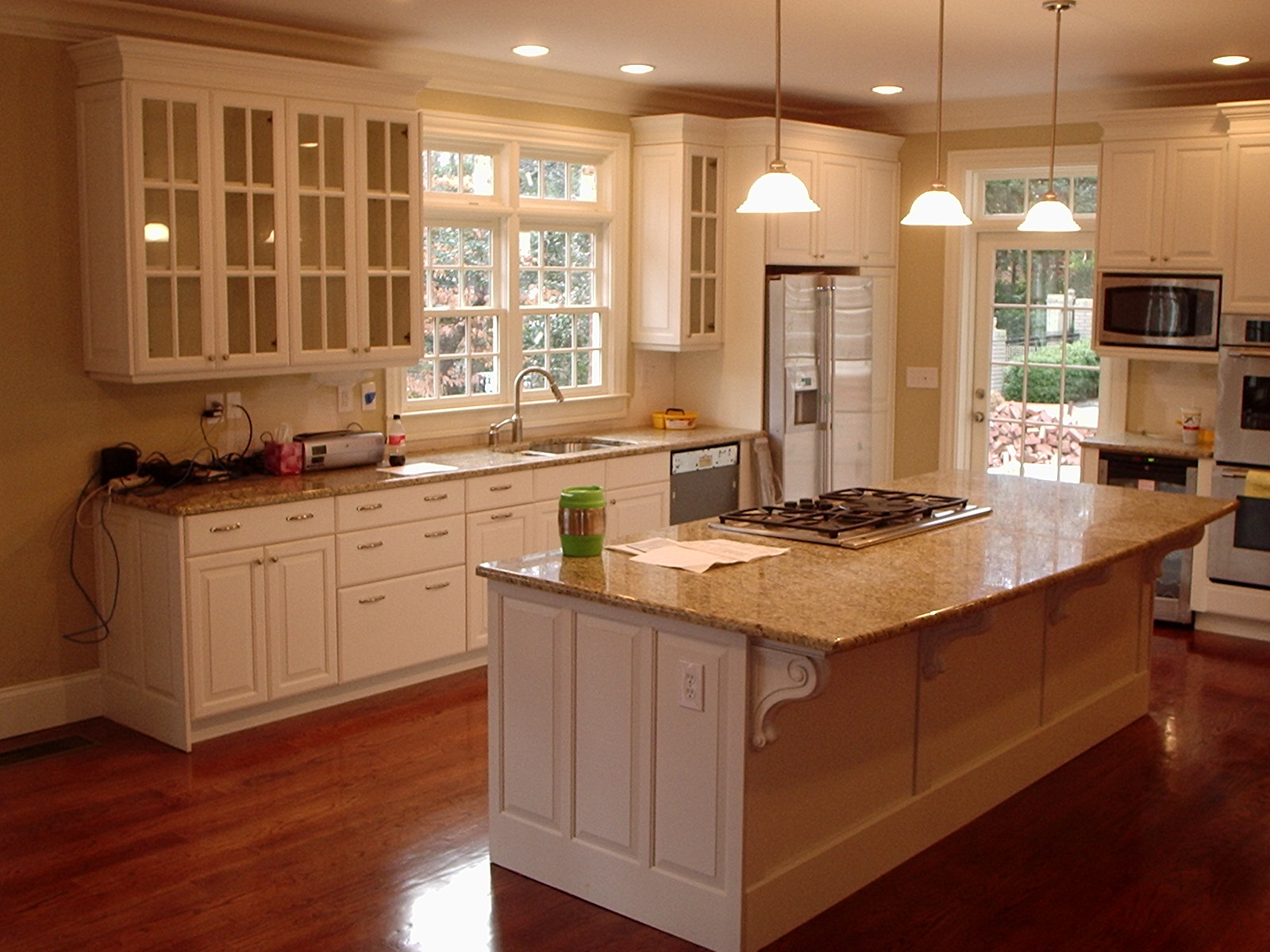
The popular design and remodeling website, Houzz, recently published the results of a survey of 7,812 new homeowners who were remodeling their kitchens within three months of buying. Of that group, nearly half were remodeling their kitchens. Here are their hottest items to consider…
1. Chef’s stoves: 32 percent considered professional-grade ranges as their dream appliance. Options such as a flat griddle or a cooktop to accommodate a searing pan or wok topped the list.
2. Eco-friendly features: Nearly half said, “Using eco-friendly appliances and materials in their kitchens are important.” However, Houzz contributors also observed that changes in our habits, rather than just buying the right appliances are important. They cited the use of cloth rather than paper towels, replacing plastic containers with glass, and using non-toxic cleaners are very important.
3. Granite and quartz countertops: 94% of the survey respondents said they were changing their counter-tops. Granite topped the list, followed by quartz. Granite is hard and provides a clean look. Granite also requires sealing and taking care not to put certain items on the surface. Quartz is gaining popularity because it is also very hard and durable and looks clean. Quartz tops are resistant to scratches and stains and do not need to be sealed. Click here for more detail.
4. Tile backsplashes: Tile was the top choice for backsplash accents. Houzz editor, Sheila Schmitz, observed, “A lot of people are using the backsplash as sort of the jewelry of the kitchen. That’s where they’ll put that splash of color.” Some respondents actually found the choice of backsplash design to be the toughest decision they had to make.
5. Floors: Hardwood floors topped the list of the most popular materials, with tile making a strong second showing. Wood floors are easier on the feet than tile and have a warmer look to them. There is no need to worry about wood floors getting wet with the many finishes and sealers available on the market.
Watch for Top Kitchen Remodeling Trends – Part 2 coming soon.
Courtesy of Montgomery AL Realtors Sandra Nickel Hat Team!





 Not all FHA-approved lenders offer the same interest rates and costs, even for the same loan. Therefore, borrowers need to shop around with multiple lenders for the best total package for an
  Assuming your child is five years old and you start putting $250 a month in a savings account earning 2%, in 13 years you’d have $44,497.41 to pay for their college. Anticipating that isn’t going to be enough, you’d have to save $500 a month to end up with $88,995.
 A recent article in